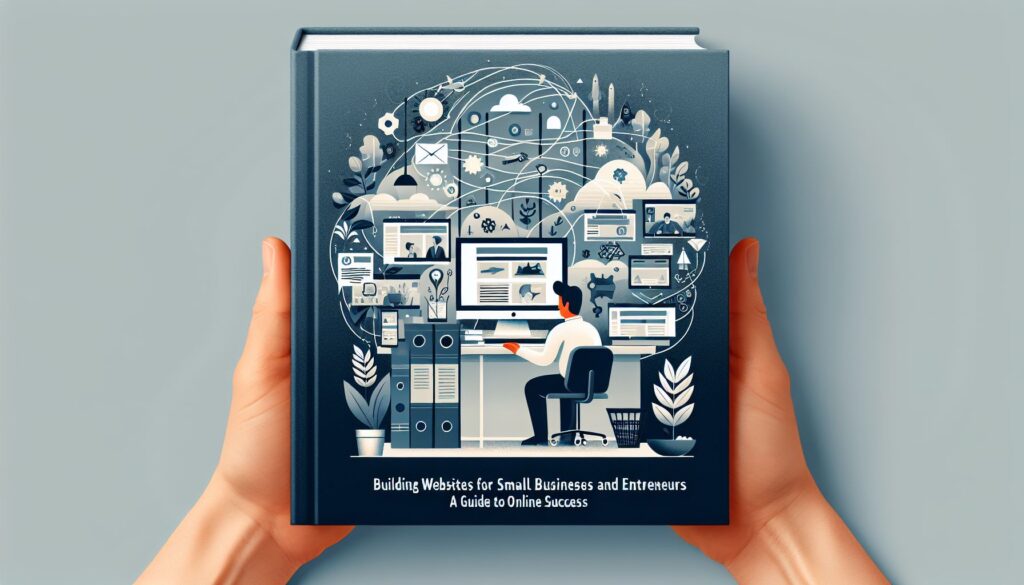

In today’s digital age, having a website is crucial for small businesses and entrepreneurs looking to establish an online presence and attract customers. Whether you’re starting a new venture or looking to revamp your existing website, building an effective and user-friendly site can make all the difference. In this article, we will explore the key elements of website development, including UI/UX, conversion rate optimization, generating organic traffic from Google, and the importance of user experience, web design, programming, WordPress, and website development.
Introduction: The Power of a Compelling Website
Your website is often the first impression potential customers have of your business. It serves as a virtual storefront, showcasing your products, services, and brand personality. With a well-designed website, you can build credibility, establish trust, and generate leads that convert into paying customers.
1. User Interface and User Experience (UI/UX)
UI/UX is the foundation of a successful website. The user interface refers to the visual aspect of your site, including its layout, colors, and typography. It should be visually appealing, intuitive, and easy to navigate. A cluttered or confusing design can quickly turn visitors away.
User experience, on the other hand, focuses on how visitors interact with your site. It involves creating a seamless and pleasant experience for users, ensuring they can find information easily and accomplish their goals efficiently. Optimizing UI/UX means considering factors like page loading speed, responsive design for mobile devices, and intuitive navigation menus.
2. Conversion Rate Optimization (CRO)
Conversion rate optimization is the process of improving the percentage of visitors who take desired actions on your website, such as making a purchase or filling out a lead form. While attracting traffic to your site is important, converting those visitors into customers is equally vital.
To optimize your conversion rate, consider implementing clear calls-to-action (CTAs), strategically placing them throughout your site. Make them compelling and visually stand out from the rest of the content. Providing social proof, such as customer testimonials and reviews, can also instill trust and encourage visitors to take action.
3. Generating Organic Traffic from Google
Generating organic traffic from Google is an essential strategy for long-term online success. Search Engine Optimization (SEO) plays a crucial role in ensuring your website ranks higher in search engine results pages. To improve your organic traffic, focus on creating high-quality, relevant content that satisfies search intent. Use targeted keywords naturally throughout your content, without overstuffing them.
Other SEO strategies involve optimizing meta tags, implementing a responsive and mobile-friendly design, improving website loading speed, and utilizing backlinks. Remember, organic traffic from Google takes time to build, so be patient but consistent in your efforts.
4. The Importance of User Experience (UX)
A positive user experience is key to keeping visitors engaged and encouraging them to return. UX encompasses various factors such as website speed, mobile responsiveness, clear navigation, and easily accessible information.
Optimize your website by reducing loading times, using clear and concise language, and organizing content in a logical manner. Conducting user testing and collecting feedback can help identify areas for improvement and ensure your site caters to the needs of your target audience.
5. Web Design and Programming
Web design and programming are fundamental to building a visually appealing and functional website. The design should reflect your brand’s identity, using consistent colors, fonts, and imagery. It should also be responsive, adapting seamlessly to different screen sizes and devices.
When it comes to programming, consider which content management system (CMS) best suits your needs. WordPress is a popular option, offering a user-friendly interface and a plethora of customizable themes and plugins. If you have the technical skills, custom coding can provide even more flexibility.
6. The Power of WordPress for Website Development
WordPress is a versatile and widely-used CMS that is both user-friendly and highly customizable. It offers a vast library of plugins and themes, allowing you to add functionality and tailor the design to your needs.
Beyond its ease of use, WordPress also offers excellent SEO potential. With the right plugins, you can optimize meta tags, generate XML sitemaps, and ensure your website adheres to SEO best practices. Regular updates and a large community of developers also contribute to its continued relevance and security.
Conclusion: Building your Business’s Online Presence
Building a website for your small business or entrepreneurial venture is a crucial step toward success in today’s digitally driven world. By focusing on UI/UX, conversion rate optimization, generating organic traffic from Google, user experience, web design, programming, and WordPress, you can create a compelling online presence. Remember, your website should reflect your brand identity, engage visitors, and ultimately convert them into loyal customers. Embrace the power of a well-designed and user-friendly website, and watch as your business thrives in the online realm.